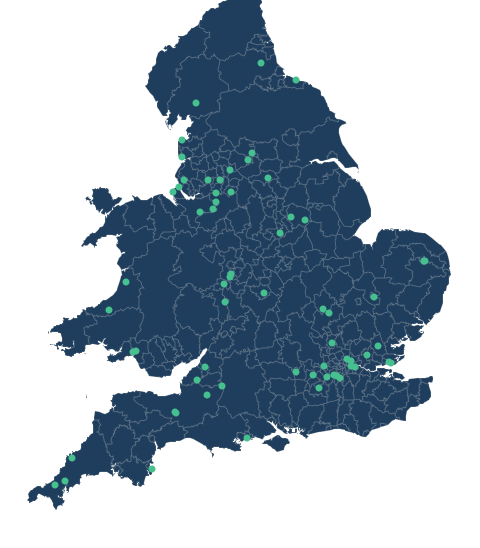
How premises licence applications work
How a venue in England or Wales applies for a premises licence: the notice, the 28 days for comments, the hearing, the decision and the kinds of application you will see.
Who needs one
Anyone who wants to sell alcohol, serve hot food or drink between 11pm and 5am, or put on regulated entertainment such as live music, films or plays needs permission from their council under the Licensing Act 2003. For a permanent venue, that permission is a premises licence. Members' clubs use a club premises certificate.
The steps
- The application goes to the council's licensing team. It includes an operating schedule, which says what they want to do and when, and a plan of the premises.
- The applicant has to tell people. They must put up a notice at the premises and, in most cases, place a notice in a local newspaper. The council must also publish the application on its website.
- There is a consultation period. For new licences and full variations it is 28 days, during which residents, businesses and official bodies such as the police can comment.
- The council decides. If nobody makes a relevant objection, the council must grant the licence as applied for. If there are relevant representations, a licensing sub-committee usually holds a hearing and can grant it, add conditions, cut back the hours or activities, or refuse it.
- Either side can appeal to the magistrates' court within 21 days of the decision notice.
Types of application
- New premises licence: a venue applying for the first time.
- Full variation: a change to an existing licence, such as later hours or new activities.
- Minor variation: a small change unlikely to affect the licensing objectives, with a shorter process and a white notice.
- Transfer: the licence moves to a new holder.
- Change of premises supervisor: a new person responsible for alcohol sales.
- Review: someone has asked the council to review an existing licence because of problems.
- Provisional statement: for premises still being built or altered.
What the council considers
Decisions must promote the four licensing objectives:
- preventing crime and disorder
- public safety
- preventing public nuisance
- protecting children from harm
Sources
- Licensing Act 2003, s.17 (application), s.18 (determination), Schedule 5 (appeals).
- SI 2005/42, reg 22 (28-day representation period), reg 25 (advertising).
This guide is general information, not legal advice. Check your council's licensing policy and the official notice.